Incorrect materials
A property may also need repointing due to the incorrect materials being used. This is particularly important with older and traditional buildings, where the mortar is often designed to work with the brick, rather than simply being as strong and durable as possible.
Hard mortar on soft brick
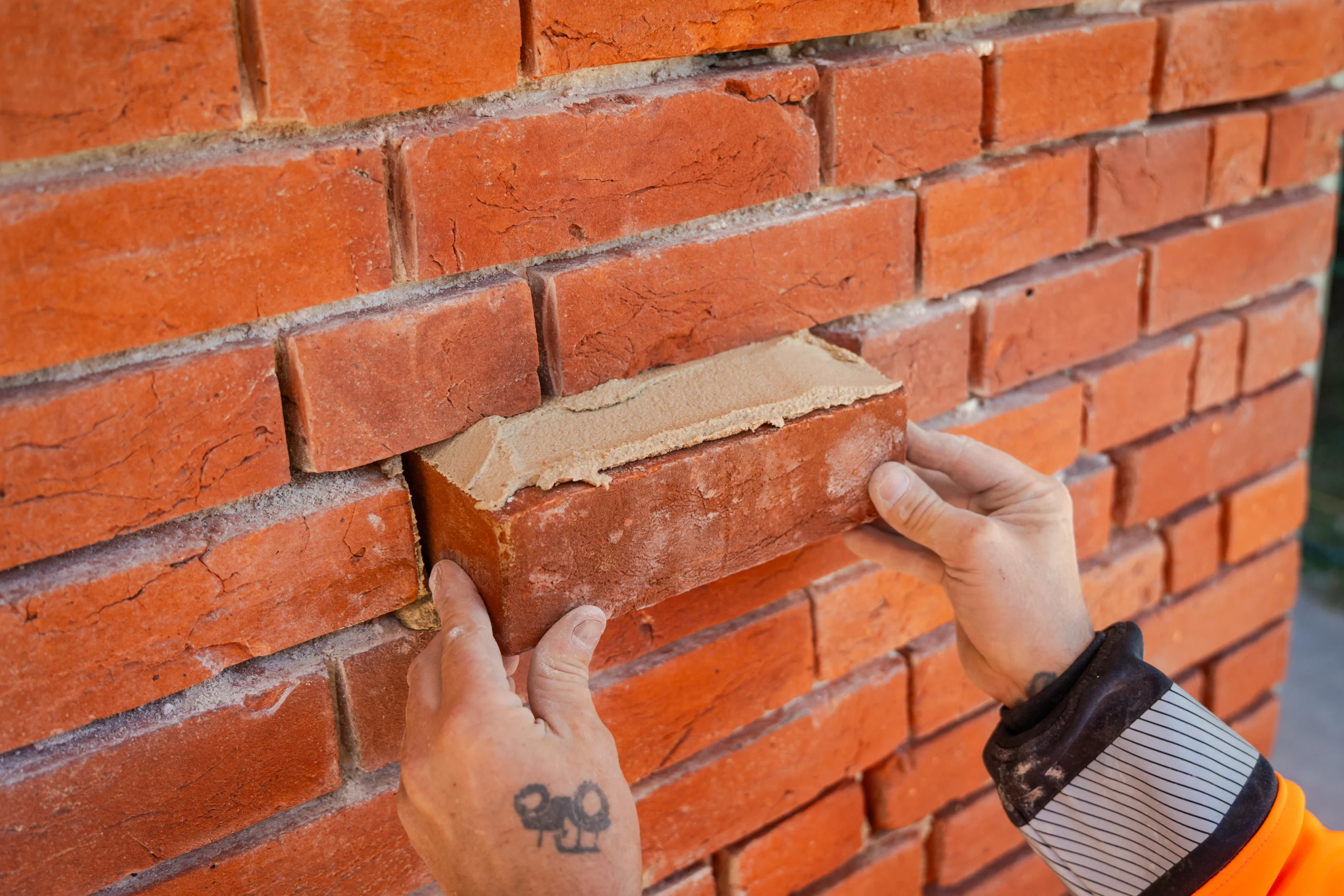
Using a hard cement rich mortar on older, softer bricks can cause problems. Traditional bricks and lime mortar are designed to accommodate small amounts of movement and allow moisture to escape. If the mortar is significantly harder than the brick, the brick can become the weaker element and may crack, spall or deteriorate instead of the joint.
Lime mortar versus cement mortar
Lime mortar and cement mortar behave very differently. Using a cement-based mix can reduce the wall’s ability to breathe and accommodate movement. Moisture can become trapped within the masonry, accelerating deterioration.
The right mortar for the building
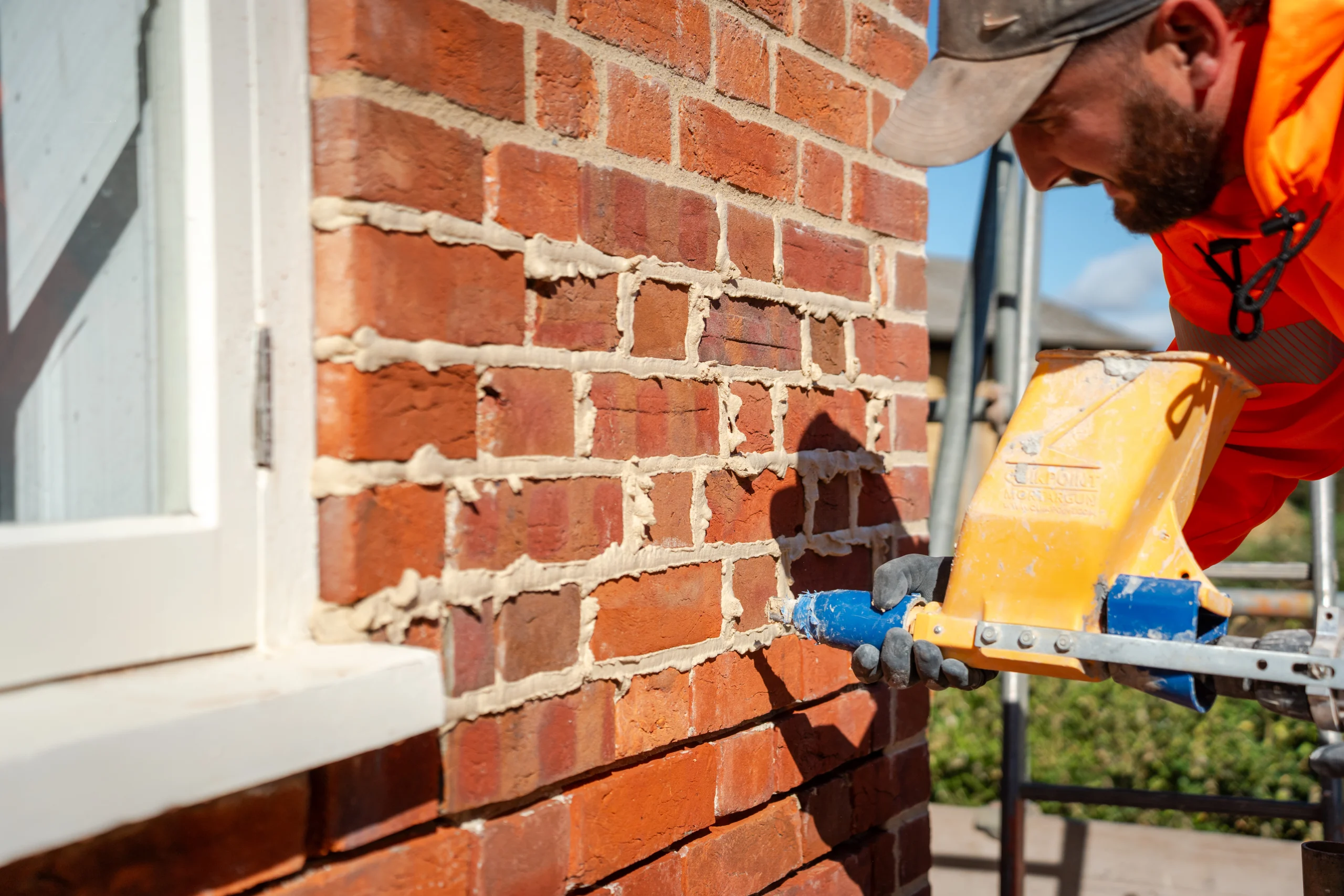
The type of mortar to be used is entirely dependent on the building. Cement based mortar can be an appropriate choice for certain buildings and masonry, particularly where it is compatible with the existing construction and surrounding materials. The right mortar depends on the individual building, its age, construction, existing materials and exposure, rather than one type of mortar being suitable for every property.
Our inspection
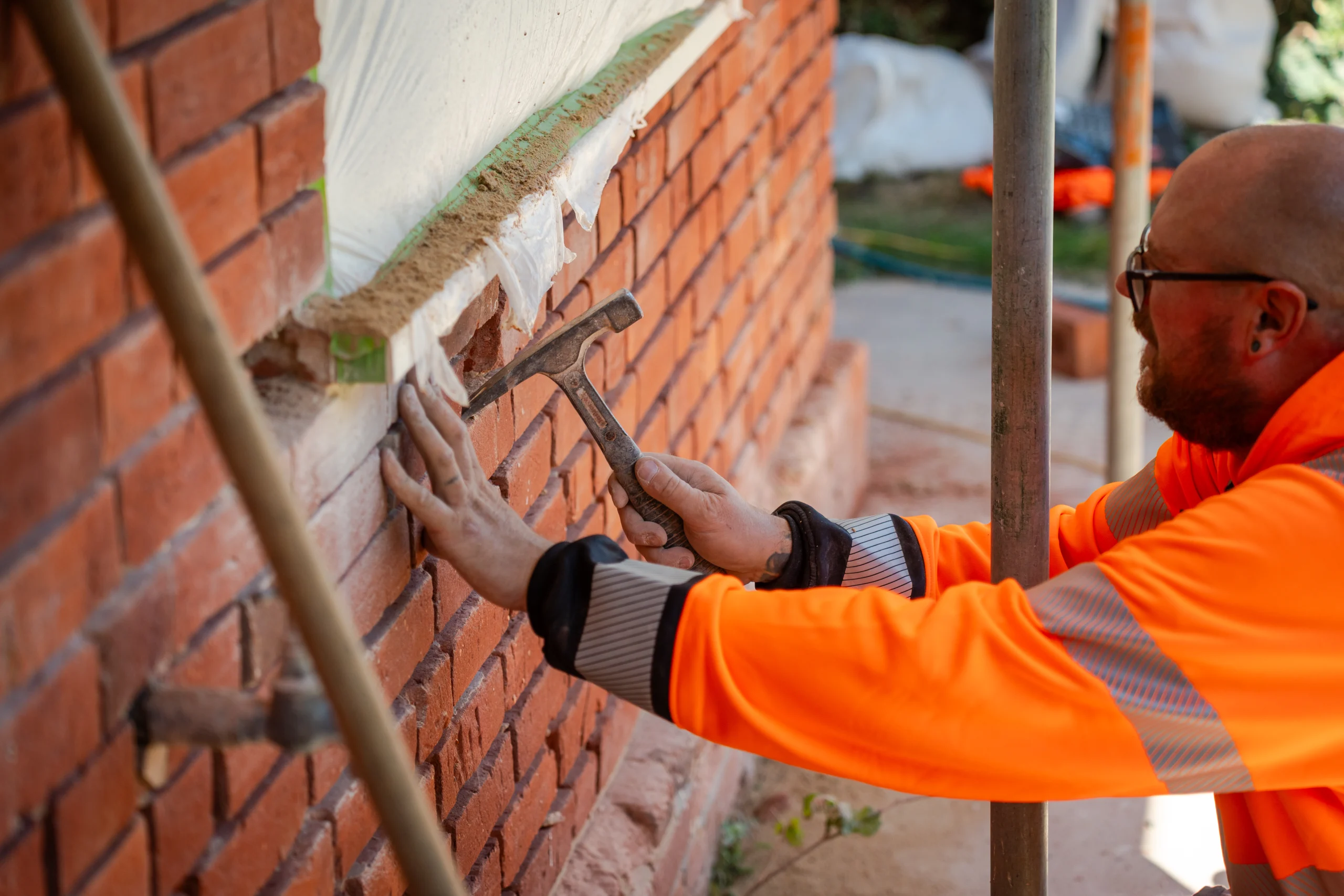
Upon a site visit and inspection, we will carefully consider the existing masonry, mortar type, joint profile and condition of the building to determine the correct materials to be used.